


TPN and Lipids Administration
Contact Hours: 3
Author(s):
Sadia A., MPH, MSN, WHNP-BC
Course Highlights
- In this TPN and Lipids Administration course, we will learn about common side effects, including severe possible side effects, of TPN.
- You’ll also learn educational strategies for TPN use.
- You’ll leave this course with a broader understanding of alternatives to TPN use.
Introduction
When hearing the phrase TPN, what comes to mind? What do you think of when you hear of lipid emulsion therapy? If you’re a nurse, you’ve definitely heard about total parenteral nutrition (TPN) at some point in your nursing studies and career. Maybe even before nursing school, conversations about nutrition and calories existed occasionally. Patients seek guidance and information on various health topics from nurses, including TPN therapy. The information in this course will serve as a valuable resource for nurses of all specialties, education levels, and backgrounds to learn more about TPN therapy.
Defining Total Parenteral Nutrition (TPN)
What Is TPN? How Common Is It?
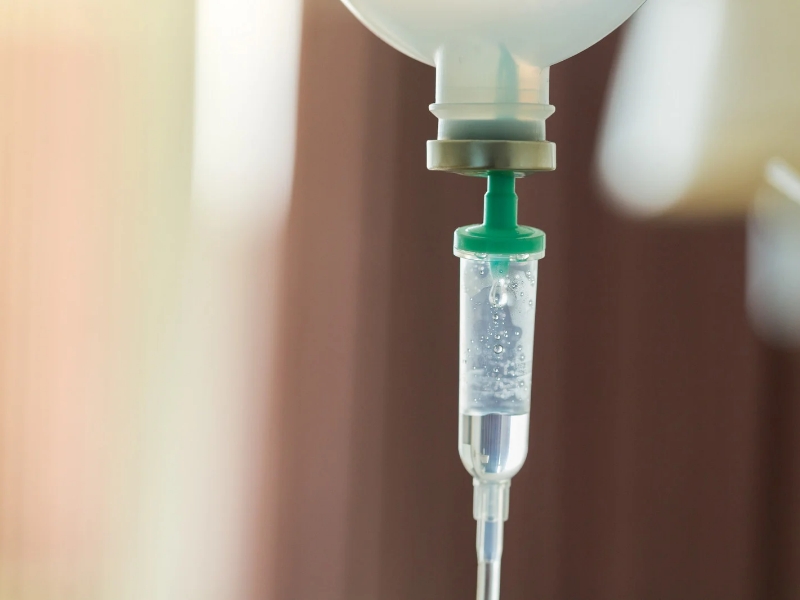
Total parenteral nutrition (TPN) is a type of liquid medication that is given to a patient via a central line for their nutritional intake. TPN has been in use for several decades and has had many advancements in safety and efficacy over the past decade. TPN can be used for many different clinical conditions, such as malnourishment recovery, post-surgical nutritional needs, and more. TPN must be administered via a central line only. A central line is also known as a central venous catheter. TPN administration also requires specific filters for TPN use, and the central line used for TPN administration cannot be mixed with other medications. TPN is a liquid mixture of various components, such as lipid emulsions, sugars, electrolytes, minerals, trace elements, and vitamins. The three main parts of TPN are proteins, dextrose, and lipid emulsions. Some patients receive TPN for a week, while others receive TPN for a few months or longer (1,2,3,4).
A patient’s clinical condition, response to TPN, central line patency, and other factors determine the need and length of TPN use. Because various factors influence TPN duration, dosage, and type, monitoring patients on TPN is essential. This is especially true since most patients receiving TPN are NPO (nothing by mouth), and having a patient consume something by mouth can trigger further health complications while a patient is receiving TPN (1,5,6,7,8,9).
TPN’s exact prevalence is unknown, as TPN usage can vary widely in several acute settings. At least 20,000 adults in the United States are estimated to receive TPN annually. In addition, some patients receive TPN at home or outpatient centers as part of their outpatient care plan. TPN can be administered to patients of all ages, from neonates to elderly patients. Furthermore, TPN can be given to patients who have several chronic health conditions, who are recovering from surgery, or who have acute nutritional needs that need to be met. However, TPN administration needs can vary from person to person, given the pharmacodynamic properties of something entering a central line and the patient’s response (1,10,11).
What Causes People to be on TPN?
Patients can be on TPN for many reasons. Neonates might be on TPN if they are born prematurely and unable to digest formula or breast milk. Patients who have experienced severe diarrhea, vomiting, or GI upset might need TPN to maintain their nutritional levels. Other indications for TPN include small bowel obstruction, intestinal cancer, GI fistulas, GI complications, sepsis, trauma, jaw fractures, and more. While there are many reasons for a patient to be on TPN, it is important to note that TPN is often not a first-line treatment option for malnutrition or caloric intake, since it poses its own challenges and risks to the patient. TPN is not meant to substitute nutrition for a patient who does not want to consume food by mouth or cannot otherwise consume calories. TPN is often a last-resort medical intervention, given its invasiveness, cost, side effects, and complications (1,5,10,11).
While many patients can be on TPN, certain contraindications for TPN administration include allergies to TPN, infants with less than 8cm of the small bowel, patients who are irreversibly decerebrate, patients with severe cardiovascular instabilities, or when a patient resumes regular GI feedings. TPN especially has a boxed warning for use in premature infants due to increased intravenous fat emulsions and possible intravascular accumulation of fat in the lungs (1,11).
What Are the Various TPN Formulas?
There are several FDA-approved TPN formulas on the U.S. market. That said, many of these formulas contain ingredients that can cause allergic reactions in several patients. For instance, almost all TPN formulas contain eggs. In addition, many TPN formulas also contain soybean oil, peanuts, corn, coconut, olive oil, fish oil, and safflower derivatives (4,8). Consider your patient’s needs, allergies, facility protocols, patient condition, and central line access when considering which TPN formula to administer.
How and Where Is TPN Used?
TPN is used to administer the formula via a central line to a patient. TPN can be administered in outpatient or inpatient settings, though TPN is mainly administered in acute settings. With the rise of home health and telehealth interventions, many patients can receive TPN in a hospital setting, then transition to administering TPN at home with a home health nurse and follow up with health care services as needed. TPN can be administered if the patient’s central line access is patent and has no complications. Patients and caregivers can even administer TPN at home by themselves, depending on the patient’s health condition, comfort, and central line placement. Because of the growing prevalence of TPN outside of acute settings, it is important to remember the role of patient education and nursing care in TPN administration and central line management (1,2,6,7,11).
Ask yourself...
- What are some contraindications for TPN use?
- What are some common allergens in TPN formulas?
- How would you assess to see if a patient can manage TPN administration independently in an outpatient setting?
- Why would a clinician order TPN for a client?
What Are Clinical Criterium for TPN?
Clinical criteria for TPN administration can vary depending on facility protocol and national nutrition guidelines. That said, clinician judgment and patient consideration should guide TPN’s needs. TPN is not a routine medical intervention as it is expensive and requires the use of a central line. In addition, TPNs present several risks, and the patient must consider risks versus benefits. Clinical criteria for administering TPN include first ensuring a proper central line placement by a licensed clinician. Central line placement can be done by a clinician per facility protocol. After placement has been confirmed, then TPN can be administered (1,2,3,4,5).
While there are several TPN formulas, clinicians can adjust the TPN compositions of the final formula depending on the patient’s health condition. For instance, the three main categories of TPN macronutrients include dextrose, proteins, and lipid emulsions. Nutritional guidelines recommend that healthy adults receive 0.8-1 gram of protein per kilogram daily. However, patients who are in critical condition, patients with severe renal complications, patients receiving hemodialysis, and patients with severe hepatic complications might have varied protein and other macronutrient needs. Given the wide range of clinical presentations for patients and health needs, it is important to consider the duration and rate of the TPN and the weight, health, and nutritional status of a patient before finalizing a formula (1,4,6,8,9).
Also, carbohydrate percentages can be adjusted. Carbohydrates are typically provided through the dextrose monohydrate concentration amount, which can vary from 40-70%, depending on the patient’s weight and health condition. Because of the varied concentration of dextrose monohydrate in TPN, monitoring for increases in triglycerides and blood glucose is essential. Monitoring for increases in blood glucose or triglycerides is especially important in patients with diabetes or hyperlipidemia.
Electrolyte amounts, such as phosphorus and magnesium concentrations, can also be customized in TPN formulas depending on the patient’s health condition. Monitoring for electrolyte changes is also essential, especially if the patient has a history of renal or liver complications. Because 20-30% of estimated caloric intake from TPN is from lipids, this can affect someone’s lipid levels and the patient’s thromboembolic risk. Some TPN formulas can also use lipids that are derived from fish oil with possible clinical benefits of EPA and DHEA in fish oil for TPN formulas. Lipids can also play a significant role in TPN’s anti-inflammatory absorption, the patient’s immune response to TPN, and the patient’s hepatic health (1,2,8,10,11).
Since TPN is a mixture of major macronutrients and is customizable, it is important to remember that TPN formulas might need to be changed over time, especially if a patient receives TPN long-term. It is also important to remember your facility’s protocol regarding TPN, as every facility will have its own regulations regarding TPN administration and formula production. General clinical criteria for TPNs also include general central line care. Specifically, TPN tubing must be changed at least once every 24 hours for adults and every 96 hours for pediatric patients.
TPN formulas should be kept in the fridge until administration. Oftentimes, TPN is kept in a designated fridge, depending on your workplace’s protocol. Depending on the viscosity and type of TPN solution, TPN needs to be administered with a specific TPN filter. TPN needs to be administered with a working infusion pump. The central line port must be cleaned with alcohol swabs before and after administration. Normal saline and heparin are administered per your facility’s protocol regarding TPN administration to reduce the risk of central line complications and blood clots. TPN must also be checked and confirmed with two patient identifiers prior to administration and assessed for any TPN formula abnormalities or leaks (1,3,11,12).
What Are Some Side Effects and Complications of TPN?
While TPN is a valuable nutrition option for many patients, TPN has several possible side effects and complications. In fact, TPN is considered a high-risk medication by the Institute for Safe Medication Practice (ISMP). The most immediate complications of TPN can be allergic reactions to the infusion and central line complications. Common allergic reaction symptoms can include redness at the insertion site, trouble breathing, increased heart rate, hives, and changes in vision. Severe central line complications include vascular injury, pneumothorax, bleeding complications, filter complications, tubing complications, venous thrombosis, and air embolism. Central line-associated bloodstream infections (CLABSI) are also possible complications. If immediate TPN or central line complications are suspected, the nurse should stop the TPN infusion immediately and assess the patient (1,10,11,12,13).
Possible complications from TPN administration include changes in blood glucose levels, increases in triglycerides and lipids, electrolyte imbalances, manganese toxicity, Wernicke’s encephalopathy, insufficient caloric supply, allergic reactions to TPN, and parenteral-associated cholestasis. Given the wide range of possible and severe side effects and complications of TPN, careful monitoring of a patient’s health and condition is essential. While there are established protocols on serum lab values to monitor for patients on TPN, such as serum protein and liver function monitoring, it is essential to check with your facility’s protocol regarding the frequency of bloodwork for patients receiving TPN (1,10,11).
What is the Average Cost for TPN?
Cost for TPN administration, including central line placement and maintenance, can significantly vary depending on the type of TPN formula, insurance, dosage, type of central line placement, duration, and other factors. TPN is often an expensive medical intervention, but for many patients, it is essential care and possibly the only way for some patients to receive caloric intake. Cost is among the leading reasons why many patients cannot maintain their medication regimen, especially if TPN is recommended in an outpatient setting. If cost is a concern for your patient, consider contacting your local patient care teams to find cost-effective solutions (11,12,13,14).
How Can Patients Self-Manage TPN?
Depending on the nature of TPN administration, patients may have TPN initiated in an acute setting, such as a med-surgical unit, and then be discharged to home care with a TPN for home use. In addition, TPN can be used for patients with prolonged hospitalizations, allowing patients time to become familiar with their TPN administration and the TPN process. While patients in acute settings monitored by nurses and other health care professionals do not need to self-manage their TPN, patients can be aware of possible TPN complications regardless of their setting.
Patients should be aware of possible symptoms to alert for medical attention, such as trouble breathing, confusion, headache, limb numbness, redness at the central line port, and chest pain. Patients administering their TPN at home should be aware of ways to self-manage TPN at home. Common ways for patients receiving TPN at home to self-manage themselves include having access to consistent refrigeration, having a clean area to set up TPN administration supplies, having a support system, maintaining routine follow-up care with their health care providers, and having access to a local emergency room in case of any TPN or central line complications (1,5,9,11,12,13).
In addition, patients can self-monitor their urine output, stool patterns, hunger levels, and overall health to detect any early changes or TPN complications. Since TPN is administered through a central line, patients can also be educated on infection-reduction techniques, such as hand washing, mask-wearing, disinfecting surfaces, and more (1).
What Are Alternatives to TPN?
TPN alternatives can significantly vary depending on the patient’s health and presentation. For most patients, the alternative to TPN is IV fluid administration or caloric intake by mouth. Other options can also be considered with the aid of a nutritionist, dietician, or other medical professional. Still, TPN is the only FDA-approved nutritional formula that can be administered via a central line (1).
Ask yourself...
- What are some possible complications of TPN administration?
- How would a nurse identify complications with a central line?
- Who would be an ideal patient to receive TPN in an outpatient setting?
- What are some infection prevention techniques to educate patients on?
- Why is it essential to check lab values frequently when a patient is on TPN?
Defining Central Lines
What Are Central Lines? How Common Are They?
A central line, formally known as central venous catheterization, is a medical procedure often performed in acute care settings by emergency medicine clinicians. Advanced practice registered nurses (APRNs) can place central lines depending on their state’s scope of practice, the facility’s protocol, and APRN education and training. The prevalence of central line placements varies, but they are often placed in patients with severe needs where a peripheral IV is insufficient alone. Central lines are typically placed in one of three main veins: the internal jugular, subclavian, or femoral.
If central lines are specifically placed for TPN use, they are often placed in the subclavian vein area for easy access for health care providers and patients. While TPN can be administered via any central line location, considering patient preference, ease of access, and infection risk are all important for central line placement. After placing a central line, the location is confirmed via imaging, and TPN can be administered. Nurses of all licensures can often assist and prepare patients in the central line placement process, but only APRNs are licensed and able to insert central lines (12,13).
How and Where Are Central Lines Used?
Central lines are often used in acute clinical settings for emergent situations, such as administering TPN, blood products, medications for vasopressor support, and other critical conditions. They can be used on anyone with veins, including infants, pregnant people, elderly people, and others (12,13).
What Are the Clinical Criteria for Central Lines?
The clinical criteria for central line placement depend on the indication and location. A licensed and knowledgeable clinician determines indications for clinical placement of a central line. After the central line is placed, placement can be confirmed via imaging. Each facility will have additional protocols for central line placement and documentation, so it is important to check with your facility as well (12,13).
What Are Some Complications of Central Lines?
While central line placement can be life-saving for many patients, they are an extremely risky and invasive medical intervention with several risks and possible complications to the patient. Central line placement has several risks, including fatal complications if completed incorrectly. In addition, central lines pose a much higher risk of infections, especially central line-associated bloodstream infections (CLABSI), than peripheral IV lines. Possible central line placement complications include pneumothorax, hematoma, blood clots, arterial puncture or injury, internal bleeding, nerve injury, cardiac arrhythmias, pericardial effusion, cardiac tamponade, equipment malfunction in the vein, or air embolism.
Central lines themselves can have complications with tubing, skin irritation, and complications with TPN administration. Contraindications for central line placements include coagulopathy, such as anticoagulated status, trauma at the insertion site, or infection at the insertion site, such as cellulitis. Patient status should be monitored during the insertion process and immediately post-insertion to observe for any immediate post-insertion complications (12,13).
How Can Patients Self-Manage Central Lines?
With the rise of at-home patient care, telehealth, and remote patient monitoring, several patients can have central lines placed in an acute setting and return home with a central line with lumen ports attached. Central line management can be completed at home by the patient themselves, a caregiver, or a home health nurse. While patients with a central line should routinely seek advice and guidance from their medical care provider, patients can often self-monitor their central lines for any emergent complications. Patients should be aware that if they suspect any complications with their central lines, such as bleeding at the insertion site, trouble breathing, or chest pain, they should not administer any TPN products and should seek care at the closest emergency hospital (12,13).
Patients can self-manage central lines by changing tubing as their health care provider recommends, cleaning the ports with alcohol wipes or other disinfectant, monitoring the port and lines for any damage, and flushing them with normal saline or heparin as indicated. Patients can also observe for any redness, irritation, or changes in the ports or tubing. Patients should speak to their health care provider regarding any extra lumens or supplies needed, ensure they have a good, clean area to care for their central line, maintain a support system, and have access to a local emergency room in case of any central line complications. Also, patients should be instructed to keep the central line area dry and avoid swimming. They should be informed that sponge baths are permissible. Educating patients on care for their central lines is essential to reduce central line complications (12,13,15).

Ask yourself...
- What are some ways nurses can be involved in central line administration?
- How would you assess a patient’s knowledge of at-home central line care?
- What are some of your facility’s protocols on central line management?
- What educational highlights about central lines would you want to note for the patient’s caregivers and family?
Nursing Considerations
What Is the Nurse’s Role in TPN Patient Education and Medication Management?
Nurses remain the most trusted profession for a reason. They are often pillars of patient care in several healthcare settings. Patients turn to nurses for guidance, education, and support. While there are no specific guidelines for the nurse’s role in TPN patient education and management, here are some suggestions for providing quality care for patients receiving TPN. In addition, nurses can also educate and play a role in central line care (1,3,4,11,12,13,15).
- Take a detailed health history of the patient. Oftentimes, vital signs and history-taking can be complex, especially in acute settings. Many times, central lines are placed in acute settings. Correct, safe, and accurate placements of central lines are needed for adequate TPN administration. Nurses must be involved in the vital signs and history-taking process to learn to notice any abnormalities or medical concerns that warrant medical attention. As nurses, we know that central line placement complications can lead to rapid fluctuations in vital signs, such as blood pressure and heart rate. If a patient is complaining of symptoms that could be related to their central line placement, such as chest pain, trouble breathing, or headaches, inquire more about that complaint.
- Clearly ask the patient if they have any allergies, especially to eggs, soybeans, fish, peanuts, corn, coconut, olive oil, and safflower derivatives. These are widespread ingredients in TPN formulas and can cause an allergic reaction upon administration. If the patient is unresponsive, review their chart for any allergies and have an allergic reaction protocol in place.
- Educate the patient on TPN administration if possible. Explain to the patient the importance of keeping their central line placement clean and infection-free. Educate the patient on the signs of infection near the line insertion. Educate the patient to inform the nurse of any redness, pain, or swelling near the central line insertion. Take time to monitor the client for any complications of TPN administration, such as increased blood glucose and electrolyte imbalances.
- Educate the patient on central line administration. Central line placement is an invasive medical procedure with several risks. Be sure to take the time to educate and answer questions for the patient and assist the clinician with the insertion and preparation as you can within your scope of work and facility protocol.
- Regardless of how long a client has been on TPN, if the client complains of any new symptom, ask how long the symptoms have lasted, what treatments have been tried, if these symptoms interfere with their quality of life, and if anything alleviates them. If you feel like other healthcare professionals are not taking a patient’s complaint seriously, advocate for that patient to the best of your abilities.
- Review medication history at every encounter. Oftentimes, in busy clinical settings, reviewing health records can be overwhelming, especially for patients with a central line. Most patients with a central line have a complex medical history, as a central line placement is an invasive medical procedure. Millions of people take medications for various reasons, and people’s medication histories can look similar over time. Ask each patient about how they are feeling on the medication, how they are feeling with their central line, if their symptoms are improving, and if there are any changes to their medication history.
- Be willing to answer questions about TPN and central line care. Many people do not know about TPN side effects, risk factors to be aware of, and lifestyle changes that can influence outpatient TPN care. Be honest with yourself about your comfort level, and discuss topics and provide education on central line care and TPN administration in inpatient and outpatient settings.
- Communicate the care plan to other staff involved for continuity of care. Care often consists of a team of nurses, specialists, pharmacies, surgeons, caregivers, and more for several patients, especially those with TPN and a central line. Ensure that patients’ records are up to date for ease in record sharing and continuity of care.
- Stay current on continuing education related to TPN and central line placements, as evidence-based information is constantly evolving and changing. You can then present your new learnings and findings to other healthcare professionals and educate your patients with the latest information. You can learn more about the latest TPN and central line care research by following updates from evidence-based organizations, such as the National Institutes of Health (NIH). You can also share any evidence-based information with caregivers.
- At your regular assessments, assess the central line at least once per shift, flush each lumen with normal saline, and ensure no air bubbles or complications with the tubing. Document your findings and ensure you change the tubing and dressing per your facility’s protocols.
- Educate the patient on not getting the central line port or lumens wet, damaged, or broken. Inform the patient to report any complications with the central line to the nurse immediately. If the patient is an outpatient, inform them to seek emergency medical care if they have central line complications. If the patient has caregivers, educate the caregivers on the importance of outpatient central line and TPN safety, care, and administration.
- Ensure the infusion pump is working and set to the correct infusion rate per the provider’s order. If there are any issues with the infusion pump, adjust the rate, dosage, and other factors before administration. Also, if there are complications with the infusion pump, you can request another one per your facility’s protocol. If the client is at home and notices any issues with the infusion pump, educate them on contacting their healthcare provider or the steps to take to order a replacement.
- If the patient is an outpatient with a central line and TPN administration, suggest that the patient wear a medical identification bracelet in case of an emergency. Educate the patient to inform caregivers or family members about the importance of infection prevention, proper TPN management, and care at home.
- Monitor the patient’s urinary output, stool, and serum blood levels for changes in protein, creatinine, urea, liver function, and electrolytes. While the healthcare provider orders bloodwork, sometimes documentation and charting experience technical issues, staffing issues, or other patient monitoring issues. Be sure to follow your facility’s guidelines for bloodwork and monitoring for patients receiving TPN. If you notice any concerns with lab values, assess the patient and contact the healthcare provider.
How Can Nurses Identify if Someone Needs More Intervention for Their TPN Administration?
Unfortunately, it is impossible to look at someone with the naked eye and determine if they are struggling with their TPN intake or having issues with their existing central line. While some people might have notable TPN complications, such as trouble breathing or sharp headaches, the most common presentation for TPN or central line complications varies widely. In addition, nurses can answer questions and concerns regarding the use of TPN and central line care for patients and their caregivers. Nurses can also provide information on TPN use, therapy options, medication options, and more. Nurses can provide quality care by completing a health history, listening to patients’ concerns, addressing caregivers’ concerns, performing central line care, and administering TPN (1,3,4,11,12,13,15).
- Tell the health care provider of any existing medical conditions or concerns (need to identify risk factors)
- Tell the health care provider of any existing lifestyle concerns, such as alcohol use, other drug use, diet before TPN, surgical history, and allergies (need to identify lifestyle factors that can influence TPN formula use and therapy interventions)
- Tell the health care provider if you have any changes to your body, such as pain with breathing, trouble with movement, or increased fatigue (potential systemic TPN or central line complication symptoms)
- Tell the nurse or health care provider if you experience any pain that increasingly becomes more severe or interferes with your quality of life, especially if pain or discomfort is near the central line site.
- Keep track of your health, medication use, TPN administration, central line function, and health concerns via an app, diary, or journal (self-monitoring for any changes)
- Take all prescribed medications as indicated and ask questions about medications and other possible treatment options, such as non-pharmacological options or surgeries.
- Administer TPN on schedule as discussed with the provider (need to maintain TPN consistency for nutritional intake)
- Tell the health care provider if you notice any changes while on TPN (potential worsening or improving health situation)
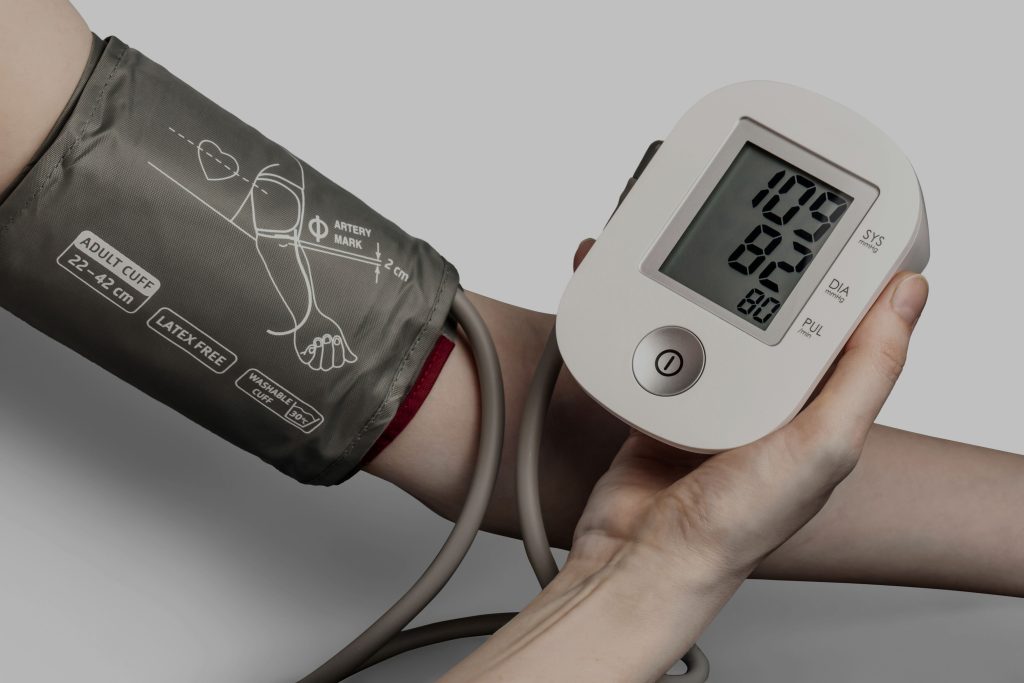
- Track your blood pressure and heart rate with an at-home blood pressure cuff, keep track of your readings, and report any changes to your health care provider (self-monitoring for any changes)
- Track your glucose with an at-home blood glucose monitor, keep track of your readings, and report any changes to your health care provider (self-monitoring for any changes)
- Assess glucose, electrolyte levels, and lipid levels, especially within the first 24-48 hours after TPN administration with the central line to avoid further TPN complications.
Ask yourself...
- What problems can occur if TPN is not managing a patient’s caloric intake adequately?
- What are some possible ways you can obtain a detailed, patient centric-health history?
- What are some possible ways patients and their caregivers can keep track of their TPN therapy?
What Is the Nurse’s Role in Central Line Patient Education and Management?
While some people might have notable central line complications, such as trouble breathing or sharp headaches, the most common presentation for central line complications varies widely. In addition, nurses can answer questions and concerns regarding using central lines and central line care for patients and their caregivers. Nurses can provide quality care by completing health history, listening to patients’ concerns, addressing caregivers’ concerns, performing central line care, and assisting in central line placement (1,12,13,15).
- Tell the health care provider of any existing medical conditions or concerns (need to identify risk factors)
- Tell the health care provider of any existing lifestyle concerns, such as alcohol use, other drug use, surgical history, and prior central line insertions (need to identify lifestyle factors that can influence central line placement and any contraindications)
- Tell the health care provider if you have any changes to your body, such as pain with breathing or sharp stabbing pain (potential central line placement complication symptoms)
- Tell the nurse or health care provider if you experience any pain that becomes increasingly severe or interferes with your quality of life, especially if the pain or discomfort is near the central line site.
- Provide support to the clinician and comfort to the patient during the central line placement (potential anxiety reduction and teamwork collaboration for both patient and health care provider)
- Administer all prescribed medications as indicated and ask questions about medications and possible other treatment options, such as non-pharmacological options or surgeries.
- Follow up with imaging and health care provider to determine central line placement and patency.
- Tell the health care provider if you notice any changes while caring for the central line (potential worsening or improving health situation)
- Track vital signs, especially heart rate and temperature, to determine any early signs of infections, and report any changes to the health care provider (early detection for any changes can prevent further complications)
- Assess central line quality and patency at least once a shift (early detection of any central line complications)
Research Findings
What Research on TPN Use Exists Presently?
Extensive publicly available literature on TPN formulas, education, and more is available through the National Institutes of Health (NIH) and other evidence-based journals.
What Are Some Ways for People Receiving TPN Therapy to Become a Part of Research?
Patients interested in participating in clinical trial research can seek more information on clinical trials from local universities and healthcare organizations.
Ask yourself...
- What are some reasons someone would want to enroll in clinical trials?
- What are some of the latest trends you have seen in TPN research?
- How have you managed central line complications in your nursing career?
Case Study #1

Wendy is a 36-year-old woman working as an engineer and an established patient at the local oncology clinic. She is receiving chemotherapy treatments for colon cancer at the local university hospital affiliated with the clinic. At the hospital, her oncologist has recommended that she stop eating anything by mouth since her symptoms have gotten more severe, and the doctor recommends a TPN infusion for the next few weeks. Wendy is a single mother of a two-year-old and reports having trouble attending her chemotherapy treatments as is. She expressed concern about TPN, as she had never heard of it before. The oncology nurse sees Wendy, and Wendy is visibly frustrated and crying. Wendy wants something that is cost-effective and will not keep her in the hospital for more time than needed. Wendy’s vital signs are 130/80, 90 bpm, 99F.
Ask yourself...
- What are some specific questions you’d want to ask about her health?
- What are some health history questions you’d want to highlight?
- How would you discuss TPN with Wendy?
- Who would be able to insert a central line for TPN administration?
After speaking with Wendy, she wants to learn more about TPN administration. Wendy takes some of the material from the nurse and reads about it. Wendy wants to get the central line inserted today, but she is informed that the oncologist is not comfortable with central line placements on this side of the hospital. The oncologist states that Wendy can be seen at the emergency room for placement the next day and receive her initial TPN dose at the hospital. Wendy agrees with this, and she arrives at the emergency room triage the next day with her daughter for a central line placement.
Ask yourself...
- How would a nurse prepare the workstation for a central line placement?
- What are some ways the nurse can educate Wendy on a central line placement?
- What are some contraindications to central line placement?
- What are some ways to assess for central line placement complications?
Wendy’s vitals in the emergency room are stable, and she has a central line placed in her left subclavian vein with no complications in the hospital, as shown on imaging. Wendy receives her first TPN infusion with her daughter asleep next to her. After a 10-hour infusion, Wendy reported no issues with the TPN and said she would like to go home. Wendy completes some bloodwork at the hospital prior to discharge. Wendy’s hospital nurse informed her that she would receive some bags of TPN tomorrow via express mail and that a nurse would visit her at home in a week to follow up on her progress. Wendy expresses her thanks and gets ready to leave.
Ask yourself...
- What patient education points would you discuss with Wendy about taking TPN at home?
- What concerns do you have about Wendy administering TPN as a single parent of a two-year-old?
- What sort of lab work do you anticipate reviewing after a patient receives an initial TPN infusion?
- Where should Wendy place the TPN when she receives it?
Wendy reports taking the TPN daily since her last visit with the oncologist last week, and the home health nurse arrives at her home. The nurse sees that Wendy is busy as a single mom – toys on the floor, the kitchen in disarray, and the TPN infusing away. The nurse asks Wendy how she is doing, and Wendy tells the nurse that she has been taking her vital signs at home with no changes. Wendy reported going to get local bloodwork completed a few days ago. Wendy also reports 0/10 pain today. The nurse reviews her bloodwork and sees that Wendy’s glucose and sodium levels are slightly elevated. The nurse also assesses Wendy’s central line placement site, and it seems a bit red and swollen. Wendy states that the site has been a bit red since: “My daughter pulled it a few days ago, but I am really ok. I promise!”
Ask yourself...
- What concerns do you, as the nurse, have about the TPN formula?
- How would you further examine the central line for infection or other possible complications?
- What would be your next step as a home health nurse with this patient?
Case Study #2

Bob is a 76-year-old man who has been NPO at the local med-surgical unit since he is recovering from a recent intestinal resection procedure. You are a new nurse on the unit, and you are not familiar with all the protocols at this unit and hospital yet. You are assigned to care for Bob, and you see that Bob has been receiving TPN for the past three days. Per the last nurse, his vital signs were within the expected ranges. Bob also had labs drawn two hours ago, and those lab results for his electrolytes, glucose, and lipids are within the expected ranges. Documentation shows that Bob had no complications with earlier central line placement into his right subclavian vein. You go to care for Bob, and you see that Bob is awake. Bob has a health history of diabetes mellitus Type II, alcohol use, and cellulitis. You perform your morning assessment with the following findings: blood glucose 130, 130/80, 90 bpm, 99F, pain 0/10.
Ask yourself...
- What are some specific questions you’d want to ask Bob about his health?
- What are some health history questions you’d want to highlight?
- What would be your initial next steps for his TPN administration and central line care?
- How would Bob’s present condition affect his TPN intake?
After speaking with Bob, you will begin administering another bag of TPN as he is expected to recover in a few more days. You may be discharged with a central line and TPN administration at home. You set the infusion pump, verify the order, disinfect the port, and administer another routine TPN bag. You ask Bob if he has any questions before you leave, and he says, “No, thank you. I will go back to rest now.” After a few hours, you check in on Bob to see how he is doing and to administer his insulin. Bob said he was doing OK, but he felt like he had a headache and was fatigued. The nursing assistant collected vital signs about 15 minutes ago and discussed them with you. Bob has a fever of 100.4°F and a blood glucose of 150. Bob’s wife and child are there with him, and she is concerned since she states, “He’s been feeling warm since I got here a bit ago. Is everything okay?”
Ask yourself...
- What would be some reasons why Bob has a fever?
- How can someone receive TPN if they have a suspected infection?
- What would be your next steps in this situation?
You further examine the central line site after determining that Bob has a fever. You see that the site is turning red and swollen, and the tubing has some air bubbles. You stop the infusion and contact the healthcare provider regarding Bob’s fever and TPN status. Bob has received about half of the TPN formula in the bag, but there are possible central line complications and a fever of concern as well. While you are assessing and disinfecting the central line and asking Bob questions, he starts to cough up mucus and reports that his chest hurts. The health care provider is not nearby, so you reach out to your nurse manager on the unit. The nurse manager recommends calling a code since Bob is reporting chest pain with a pain rating of 8/10 and has a possible CLABSI. Bob is concerned he is going to die, and his wife and child are crying nonstop at his bedside.
Ask yourself...
- What patient education points about CLABSI and infections would you discuss with Bob, his wife, and their child?
- What sort of concerns do you have about Bob?
- What would be your pharmacological and non-pharmacological recommendations presently?
After a code was called for Bob, the TPN was discontinued, and the central line was removed. TPN tubes were sent to the pathology lab to determine the type of CLASBI, while Bob is receiving broad-spectrum antibiotics in the meantime. Since Bob is NPO, given his recent surgical history, he is placed on peripheral IV fluids. Because Bob also has diabetes, his insulin levels need to be adjusted now that he is no longer on TPN. After a few hours, Bob is now afebrile, but his blood glucose is presently 60. Bob is still able to communicate but reports feeling cold and shaky.
Ask yourself...
- What are some possible complications of suddenly stopping TPN?
- What are some complications that can occur if you experience a CLABSI?
- How can you increase his blood glucose with his NPO status?
- What specific caregiver and family education would you give regarding TPN and central line placement?
Case Study #3
Esther is a 43-year-old woman working as a librarian. Esther was recently in a motor vehicle accident (MVA) and was in the intensive care unit (ICU) at the local hospital. She is more stable and is now recovering from several surgeries in the general med-surg unit after a two-week ICU stay. Because of her long stay in the ICU, she has been receiving TPN for the past 10 days. Esther has a medical history of hypertension (HTN), high cholesterol, and chronic back pain. Esther has TPN infusing steadily with no complications to the infusion, TPN, or central line. Her central line is placed in her left subclavian vein. Esther could not speak for the first few days of her hospital stay but is more communicative now. Esther has some broken bones and tissue damage, but she is recovering very well. She asks how much longer she needs to be on TPN and misses eating food. Esther’s vital signs are 90/50, 90 bpm, 96F, and pain 2/10 in her lower back area.
Ask yourself...
- What are some specific questions you’d want to ask about her health?
- What are some health history questions you’d want to highlight?
- How would you discuss TPN with Esther?
- What are some indications for a patient to be on TPN?
- How would you assess for lower back pain in a patient who experienced an MVA recently?
Esther reports feeling much better and wants to try eating some foods again. She reports feeling more hungry now than yesterday, and she also noticed that she has not been going to the bathroom as much as she typically does. You reviewed her chart and noticed that Esther has been urinating less via the Foley catheter. Esther also has not had a bowel movement in the past four days. You contact the health care provider and explain concerns about Esther. As part of the daily assessment, the health care provider reviews Esther’s chart and states she needs to be on TPN for at least another day, but can have the rate of TPN lowered to taper off TPN. Esther asks if she can drink water in a few hours once the TPN is lowered.
Ask yourself...
- What are some concerns about a patient on TPN with decreased urine and stool output?
- Why would a patient receiving TPN suddenly feel hungry?
- What could happen if a patient suddenly stops receiving TPN?
- Why would a patient be NPO when receiving TPN?
You adjust the rate of the infusion pump, and Esther’s TPN administration is lowered. The health care provider states that after a few hours of reduced TPN administration, Esther can drink some water before you. Esther did not sustain significant dysphagia complications or throat complications from the MVA, but the healthcare provider wants healthcare personnel present. Esther agrees to this, and you leave Esther for a few hours while you care for other patients. When you return to see Esther, her vitals are unremarkable, and her lab results from earlier are also unremarkable. You see Esther sitting up on her own, and you bring her a cup of water. You watch Esther sip a little bit of water with no complications and see that she is voiding more in the urine bag. Esther asks when she can eat something and how long she has to keep the central line in.
Ask yourself...
- What patient education points would you discuss with Esther about central line removal?
- How is the nurse involved in TPN cessation and central line removal?
- How would the role of a dietitian be helpful in Esther’s situation?
Conclusion
The use of TPN is complex and often requires extensive medical care and follow-up. While TPN can be life-saving for many patients, because of the risks, a serious evaluation of risks and benefits must be considered before administration. TPN duration can vary from patient to patient and influence a patient’s quality of life immensely. Clinical presentation and symptom management for TPN administration and central line care can often vary widely. Education and awareness of different TPN options and other clinical presentations of TPN and central line complications can positively influence many people’s lives.
References + Disclaimer
- Hamdan M, Puckett Y. Total Parenteral Nutrition. 2023. In: StatPearls. Treasure Island (FL): StatPearls Publishing; Available from: https://www.ncbi.nlm.nih.gov/books/NBK559036/
- Tabor, E. Tutorial on How the US Food and Drug Administration Regulates Parenteral Nutrition Products. 2020. Journal of Parenteral and Enteral Nutrition. 44(2): 174-181. https://doi.org/10.1002/jpen.1752
- Worthington P, et al. Update on the Use of Filters for Parenteral Nutrition: An ASPEN Position Paper. 2020. Nutrition in Clinical Practice. 36(1): 29-39. https://doi.org/10.1002/ncp.10587
- Berlana D. Parenteral Nutrition Overview. 2022. Nutrients, 14(21): 4480. https://doi.org/10.3390/nu14214480
- Compher C, et al. Guidelines for the provision of nutrition support therapy in the adult critically ill patient: The American Society for Parenteral and Enteral Nutrition. 2021. Journal of Parenteral and Enteral Nutrition. 46(1): 12-41. https://doi.org/10.1002/jpen.2267
- Eriksen M, et al. Systematic review with meta-analysis: effects of implementing a nutrition support team for in-hospital parenteral nutrition. 2021. Alimentary Pharmacology and Therapeutics. 54(5):560-570. https://doi.org/10.1111/apt.16530
- Walt A, et al. Are we underusing peripheral parenteral nutrition? A 5-year retrospective review of inpatient parenteral nutrition practices. 2022. Nutrition in Clinical Practice. 38(1): 118-128. https://doi.org/10.1002/ncp.10903
- Iacone R, et al. Macronutrients in Parenteral Nutrition: Amino Acids. Nutrients. 2020;12(3):772. https://doi.org/10.3390/nu12030772
- Kirk C, et al. The effects of different parenteral nutrition lipid formulations on clinical and laboratory endpoints in patients receiving home parenteral nutrition: A systematic review. 2021. The Journal of Clinical Nutrition. 41(1):80-90. https://doi.org/10.1016/j.clnu.2021.11.009
- Roszali M, et al. Parenteral nutrition-associated hyperglycemia: Prevalence, predictors and management. 2020. Clinical Nutrition ESPEN. 41:275-280. https://doi.org/10.1016/j.clnesp.2020.11.023
- Wischmeyer P, et al. Parenteral nutrition in clinical practice: International challenges and strategies. 2024. American Journal of Health-System Pharmacy. 81(3): 89-101. https://doi.org/10.1093/ajhp/zxae079
- Leib A, et al. Central Line. 2023. In: StatPearls. Treasure Island (FL): StatPearls Publishing. Available from: https://www.ncbi.nlm.nih.gov/books/NBK519511/
- Timsit J, et al. Expert consensus-based clinical practice guidelines management of intravascular catheters in the intensive care unit. Annals of Intensive Care. 2020;10(1):118. https://doi.org10.1186/s13613-020-00713-4
- Rohatgi KW, et al. 2021. Medication Adherence and Characteristics of Patients Who Spend Less on Basic Needs to Afford Medications. Journal of the American Board of Family Medicine: JABFM, 34(3), 561–570. https://doi.org/10.3122/jabfm.2021.03.200361
- Calder P, et al. Lipids in Parenteral Nutrition: Biological Aspects. 2020. Journal of Parenteral and Enteral Nutrition. 44(S1):S21-S27. https://doi.org/10.1002/jpen.1756
Disclaimer:
Use of Course Content. The courses provided by NCC are based on industry knowledge and input from professional nurses, experts, practitioners, and other individuals and institutions. The information presented in this course is intended solely for the use of healthcare professionals taking this course, for credit, from NCC. The information is designed to assist healthcare professionals, including nurses, in addressing issues associated with healthcare. The information provided in this course is general in nature and is not designed to address any specific situation. This publication in no way absolves facilities of their responsibility for the appropriate orientation of healthcare professionals. Hospitals or other organizations using this publication as a part of their own orientation processes should review the contents of this publication to ensure accuracy and compliance before using this publication. Knowledge, procedures or insight gained from the Student in the course of taking classes provided by NCC may be used at the Student’s discretion during their course of work or otherwise in a professional capacity. The Student understands and agrees that NCC shall not be held liable for any acts, errors, advice or omissions provided by the Student based on knowledge or advice acquired by NCC. The Student is solely responsible for his/her own actions, even if information and/or education was acquired from a NCC course pertaining to that action or actions. By clicking “complete” you are agreeing to these terms of use.
Complete Survey
Give us your thoughts and feedback!
